
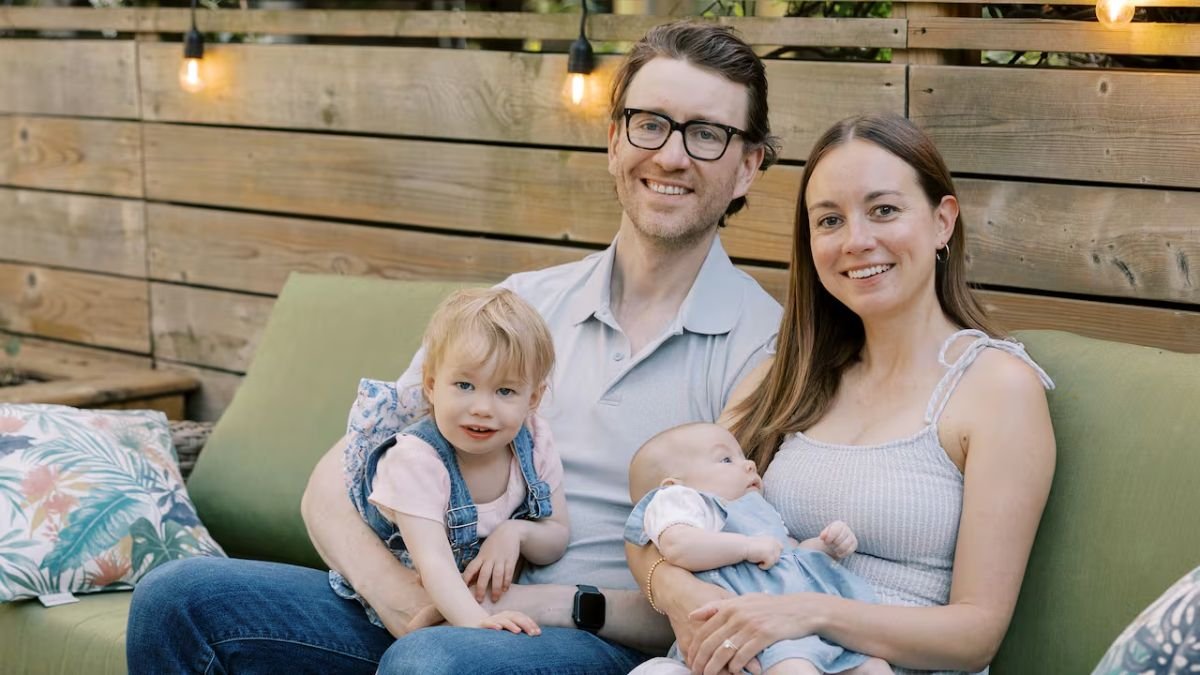
Alex Shved, a 37-year-old Ontario man with Stage 4 melanoma, is fighting both his cancer and the healthcare system.
While participating in an early-stage clinical trial, Shved is also trying to secure government funding for a promising treatment that is not yet publicly covered in Ontario.
Cancer Has Spread to Bones and Lungs
Shved first noticed a growing mole in 2020 and has tried several treatments since then.
Although he still feels well, continues working in private equity, and is raising two daughters under the age of two, his cancer has continued to progress.
The disease has now spread to his bones and lungs.
Shved said he is determined to do whatever he can to stay alive for his children.
Oncologist Recommends TIL Therapy
Shved’s oncologist believes he could be a strong candidate for tumour-infiltrating lymphocyte therapy, commonly known as TIL therapy.
The treatment involves removing tumours from the patient, extracting immune cells that have entered those tumours, multiplying those cells into the billions, and then giving them back to the patient after chemotherapy so they can attack the cancer.
Treatment Approved but Not Publicly Funded
A version of TIL therapy called lifileucel was approved for sale by Health Canada last year.
However, it is still being reviewed for possible public funding through provincial drug plans.
That process could take years.
Shved said he may not be healthy enough to receive the therapy by the time it is approved, or he may not be alive at all.
Out-of-Country Funding Request Denied
Shved’s oncologist applied for out-of-country funding so he could receive TIL therapy at the Moffitt Cancer Center in Florida.
Shved said the treatment could cost around $1 million.
The Ontario Ministry of Health rejected the request this spring, saying the Out-Of-Country Prior Approval Program is not meant to provide temporary drug funding for treatments that are currently being reviewed or expected to be reviewed for public funding in Ontario.
Patient Calls Decision a Catch-22
Shved said the government’s reasoning feels like a contradiction.
In his view, Ontario is refusing to fund the treatment now because it might fund it later, even though waiting could mean it becomes too late for him.
He said the brief and formula-like rejection letter was difficult to accept, especially because he believes the cited regulations do not clearly mention interim funding reviews as a reason for denial.
Read More: RCMP in Beaverlodge Issue Amber Alert for Missing 6-Year-Old Boy
Shved Appeals the Decision
Shved has taken several steps to challenge the decision.
He appealed to the Health Services Appeal and Review Board, filed an application for judicial review, submitted freedom-of-information requests, and contacted the executive officer responsible for drug funding.
He has also emailed cabinet ministers and other politicians.
Shved said it felt like a “slap in the face” to receive what he saw as a generic legal response without a full explanation of how his case was assessed.
Health Minister Contacts Shved
Health Minister Sylvia Jones called Shved after his story was recently reported in the Globe and Mail.
Shved said he asked her to consider urgent regulatory changes to the out-of-country funding program.
He also told her that TIL therapy is available in Israel and Turkey at much lower prices than in the United States.
According to Shved, Jones said she could not intervene in individual cases but would speak with her team.
Ministry Explains Funding Position
The Ministry of Health said provinces participating in the pan-Canadian Pharmaceutical Alliance do not provide out-of-country funding for drugs that have not completed the established review and funding process.
A ministry spokesperson said that once the process is finished, each province or territory will decide whether to publicly fund the therapy for eligible patients.
The ministry said Ontario has not approved out-of-country funding for a drug while it was still going through the national drug negotiation process.
Expert Says Cost May Be a Factor
Dr. Joel Lexchin, professor emeritus at York University’s School of Health Policy and Management, said the province may not want to pay the higher American price.
He said patented drugs in the United States are often much more expensive than in Canada.
Lexchin also noted that governments must consider how healthcare money could be spent across the system, making these decisions difficult when an individual patient’s life is involved.
Drug Funding Decisions Can Take Years
Lexchin said it takes an average of 730 days from Health Canada approval to a provincial funding decision.
The process includes a review of the drug’s cost, its expected benefit to patients, quality-of-life considerations, and price negotiations between the manufacturer and provincial and territorial drug plans.
For Shved, that timeline may be too long.
Fighting for Himself and Others
Shved continues to fight his cancer through a Phase 1 clinical trial while also pushing for access to TIL therapy.
But he said his battle is not only personal.
He wants the healthcare decision-making process to become more transparent for patients facing urgent, life-threatening illnesses.
Shved said some people rejected for out-of-country funding may not have the time, strength or health to challenge the system, which is why he feels a duty to keep fighting.
Alex Shved’s case highlights the difficult gap between medical innovation and public healthcare funding timelines.
While TIL therapy has been approved by Health Canada, Ontario has not yet publicly funded it, leaving patients like Shved trying to navigate appeals, reviews and bureaucracy while facing aggressive cancer.
His fight raises broader questions about transparency, urgency and fairness in life-or-death healthcare funding decisions.