
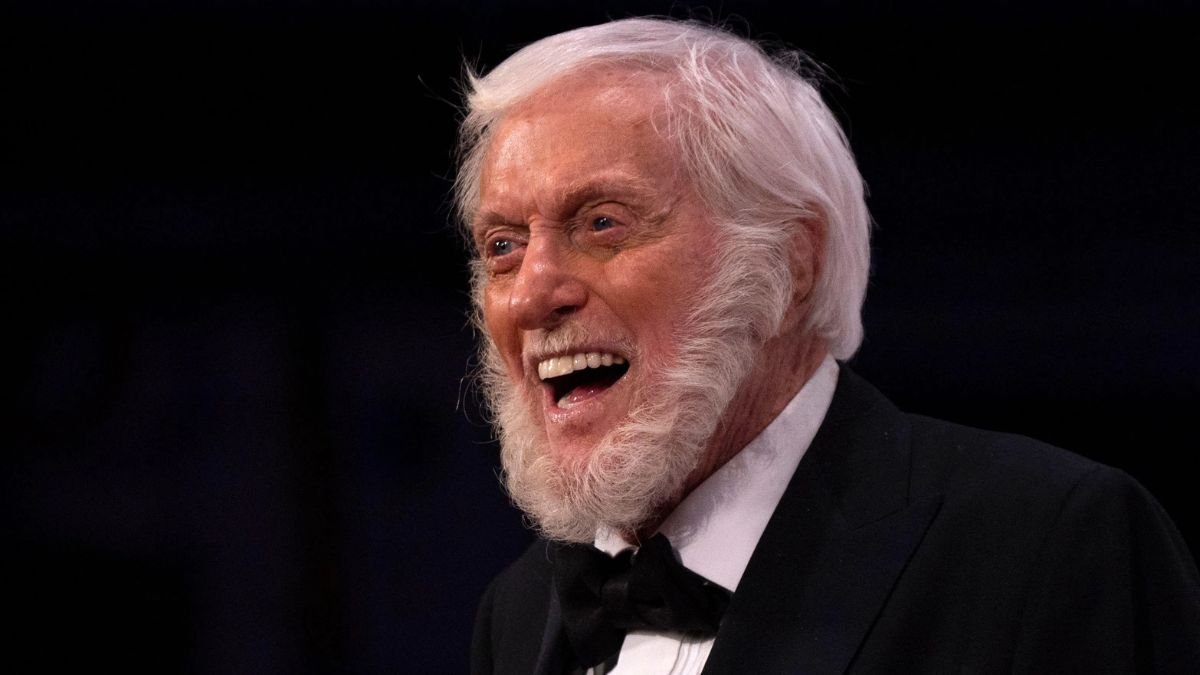
At the end of 2025, legendary actor Dick Van Dyke, loved for his joyful energy and tap-dancing charm, celebrated his 100th birthday.
Just before reaching the milestone, he released a book titled 100 Rules for Living to 100: An Optimist’s Guide to a Happy Life.
Van Dyke Credits His Positive Outlook
Ahead of the book’s release, Van Dyke said he never wakes up in a bad mood.
While that may sound surprising after a century of life, researchers suggest that his optimistic attitude may be one factor connected to his remarkable longevity.
Research Links Optimism With Longer Life
Writing for The Conversation in 2025, health scientist Jolanta Burke explained that growing research suggests optimistic people may have a greater chance of living longer.
She noted that several studies have linked low stress levels and a positive outlook with increased longevity.
There is no guaranteed formula for living to 100, but some lifestyle and mindset factors may be partly within personal control.
Optimism appears to be one of them.
The Nun Study and Positive Emotions
Burke pointed to a long-running study involving novice nuns that began in the 1930s.
As young women, the participants wrote personal life stories.
Six decades later, researchers found that those who expressed more positive emotions in their writing lived, on average, about 10 years longer than those who showed fewer positive emotions.
Optimism and Exceptional Longevity
A 2019 study from the United Kingdom also found that optimism was linked to a longer lifespan.
Researchers reported that optimistic people lived up to 15% longer on average.
Across two large study groups, people with higher optimism had better chances of reaching exceptional longevity, meaning they lived to 85 or older.
Why Positivity May Support Health
Scientists are still studying why optimism may help people live longer.
One possible reason is that positivity is often connected with happiness, purpose and strong relationships.
All of these factors have been associated with longer and healthier lives.
Happiness Study Shows Importance of Relationships
The world’s longest-running study on happiness began in 1938.
After nearly nine decades of research, including peer-reviewed papers, questionnaires, medical checks and interviews, one major pattern has become clear.
The best predictor of a happy and meaningful life was not simply strong genes, but how satisfying life felt to the participants.
Read More: Charlie Kirk Murder Suspect Told Roommate He ‘Wishes He Hadn’t Done It,’ Court Hears
People who were happiest with their family, friends and community in middle age were healthier by age 80.
They were also less likely to develop diseases and more likely to recover when they became ill.
Researchers believe strong social connections may help protect people from stress and anxiety.
Genetics and Healthy Habits Both Matter
Some scientists estimate that reaching age 90 may be influenced about 30% by genetics and 70% by health-related behaviours.
These behaviours can include diet, physical activity and other lifestyle habits.
A positive mindset may also be part of that larger picture.
Loved ones, friendships and meaningful relationships may help support that positive state of mind.
David Attenborough and Purposeful Aging
Earlier in the same year, David Attenborough also turned 100.
On his 90th birthday, he said his long life was mostly due to luck.
While luck may play a role, Attenborough has also remained socially active, physically engaged and deeply connected to his passion for the natural world.
He has continued working into old age and has said he dislikes the idea of retirement.
Purpose May Improve Later-Life Health
Research suggests that adults over 50 who feel a strong sense of purpose often experience better physical and mental health.
A major study of centenarians and their families in the United States supports this idea.
The study found that children of centenarians were more likely than the general population to report a strong sense of purpose.
That sense of purpose was linked to lower rates of disease, disability and cognitive decline.
Healthy Aging Is More Than Avoiding Disease
Paola Sebastiani, a biostatistician from Boston University, said in 2018 that aging well is not only about escaping or delaying illness.
She said feeling good about life should be seen as an important part of healthy aging.
Van Dyke’s View on Growing Older
Van Dyke has expressed a similar belief in another book, Keep Moving: And Other Truths About Living Well Longer.
He wrote that old age is partly fact, partly mindset and partly luck.
His view reflects a growing body of research suggesting that attitude, purpose, relationships and healthy habits may all contribute to living longer and better.
Dick Van Dyke’s 100th birthday offers more than a celebration of a beloved entertainer’s life. His optimism, energy and sense of purpose reflect qualities that researchers increasingly connect with healthy aging.
While no one can control every factor that affects lifespan, staying socially connected, finding meaning, managing stress and keeping a positive outlook may help add both quality and years to life.