
Inflation Cools More Than Expected in June as Gas Prices Fall
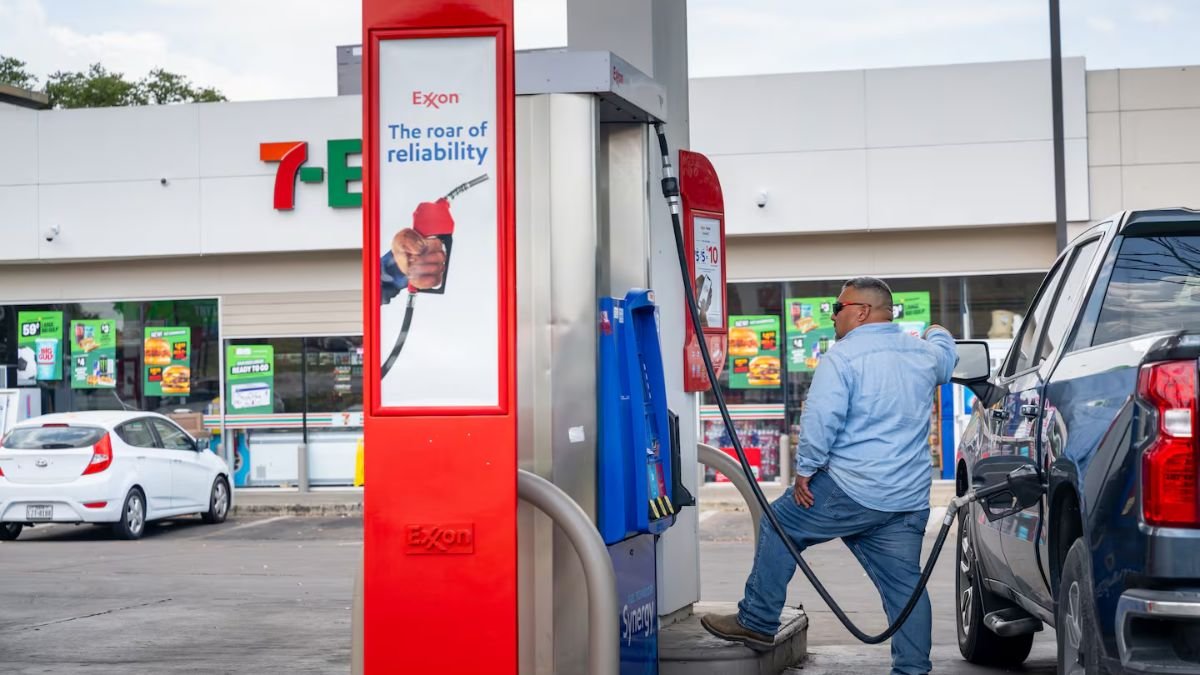
U.S. inflation eased more than expected in June, offering consumers some relief after months of elevated prices. Falling costs for gasoline, clothing and used vehicles helped pull overall prices lower, while core inflation also showed signs of cooling.
The report gives the Federal Reserve more room to assess its next move, though renewed tensions in the Middle East could quickly change the outlook.
Consumer Prices Post Sharp Monthly Decline
The Labor Department said consumer prices fell 0.4 per cent from May to June, the largest monthly decline in about four years. That followed a 0.5 per cent increase in May.
On a yearly basis, inflation slowed to 3.5 per cent, down from 4.2 per cent in May and below many economists’ expectations.
Core Inflation Also Cools
Core prices, which exclude the often-volatile food and energy categories, were unchanged from May to June.
Compared with a year earlier, core inflation rose 2.6 per cent, down from 2.9 per cent the previous month. While that is a positive sign, it remains above the Federal Reserve’s long-term 2 per cent inflation target.
Gas Price Spike Has Not Spread Broadly
Economists said the June data suggests the recent jump in gasoline prices linked to the Iran conflict has not yet triggered wider, lasting inflation across the economy.
Michael Metcalfe, head of macro strategy at State Street Markets, said the latest figures support the view that much of this year’s inflation pressure may be temporary, with gas prices rising while many other categories stayed mostly stable.
Oil Prices Remain a Major Risk
Despite the encouraging inflation report, oil prices rose again Tuesday as the United States renewed attacks on Iran and President Donald Trump announced a blockade affecting the Strait of Hormuz.
The Strait of Hormuz is a crucial global shipping route, and disruptions there could push energy costs higher again. Brent crude also climbed earlier in the week after Trump moved to restrict Iranian shipping through the route.
Trump Defends His Inflation Record
President Trump blamed former President Joe Biden for the earlier inflation surge and argued that his administration is bringing prices under control.
However, inflation has increased since Trump returned to office, rising from 3 per cent in January 2025 to 3.5 per cent in June. It had been 2.4 per cent when the Iran war began on February 28, before energy prices pushed inflation higher.
Fed May Feel Less Pressure to Raise Rates
The softer inflation report may reduce pressure on the Federal Reserve to raise interest rates soon.
At its most recent meeting, Fed officials left their key short-term rate unchanged at about 3.6 per cent. Economists said the June data gives policymakers more breathing room as they decide whether additional tightening is needed.
Fed Chair Warsh Remains Cautious
Federal Reserve Chair Kevin Warsh told lawmakers that the central bank has no tolerance for persistently high inflation and remains committed to restoring price stability.
However, Warsh did not signal what the Fed will do next. He also cautioned that one encouraging inflation report does not mean the fight against high prices is over.
Prices Cooled Across Several Categories
A wide range of goods and services saw smaller price increases than economists expected.
Electricity prices fell 1 per cent from May to June, though they remained 4 per cent higher than a year earlier. Clothing prices dropped 0.6 per cent on the month but were still 3.9 per cent above last year’s level.
Grocery and Rent Costs Rise More Slowly
Grocery prices rose 0.2 per cent in June and were 2.7 per cent higher than a year earlier.
Apartment rent costs also cooled, increasing just 0.1 per cent on the month. Shelter inflation remains an important category for the Fed because housing costs carry major weight in consumer inflation data.
Fed Officials Remain Divided
Minutes from the Fed’s June meeting showed policymakers are split over what should happen next.
About half of officials support raising rates by the end of the year to slow borrowing, spending and inflation. Others prefer waiting to see whether inflation continues to ease, especially if energy prices decline again.
Middle East Conflict Could Reverse Progress
The inflation outlook remains highly dependent on global energy markets.
Brent crude climbed sharply as tensions around the Strait of Hormuz intensified, and U.S. gasoline prices have also increased in the past week. Economists warn that if oil prices continue rising, some of June’s inflation improvement could be reversed.
AI Investment Could Add Price Pressure
Some Fed officials are also watching the massive investment boom in artificial intelligence infrastructure.
Higher demand for semiconductors, memory chips and electricity could add pressure to prices. Companies including Apple, Microsoft and Dell have already announced price increases for certain laptops, tablets and gaming devices because of higher component costs.
Fed Officials Offer Different Views
Fed Governor Christopher Waller recently warned that another hot core inflation report could push the central bank toward raising rates in the near term.
By contrast, New York Fed President John Williams has suggested the Fed may avoid further rate increases if monthly core inflation stays near 0.2 per cent for the rest of the year. Tuesday’s report was closer to the kind of cooling Williams said he wanted to see.
Tariffs and Retail Prices Add Uncertainty
Other price signals remain mixed.
A New York Fed survey found that many companies in its region that paid tariffs still planned to raise prices. At the same time, Walmart said it was cutting prices on thousands of items, including ground beef, potato chips, toys and clothing.
Trump praised Walmart’s price cuts on social media and claimed credit, although the company did not mention him in its announcement.
The June inflation report gave consumers and policymakers some welcome relief, with overall prices falling and core inflation slowing more than expected. Lower gasoline, clothing and used car prices helped pull inflation down, while grocery and rent increases remained moderate.
Still, the Federal Reserve is unlikely to declare victory yet. Rising oil prices, Middle East tensions, tariffs and AI-related cost pressures could all complicate the path back to the Fed’s 2 per cent inflation target.