
Trump’s Canada Tariff Pushes Maine Republicans to Distance Themselves
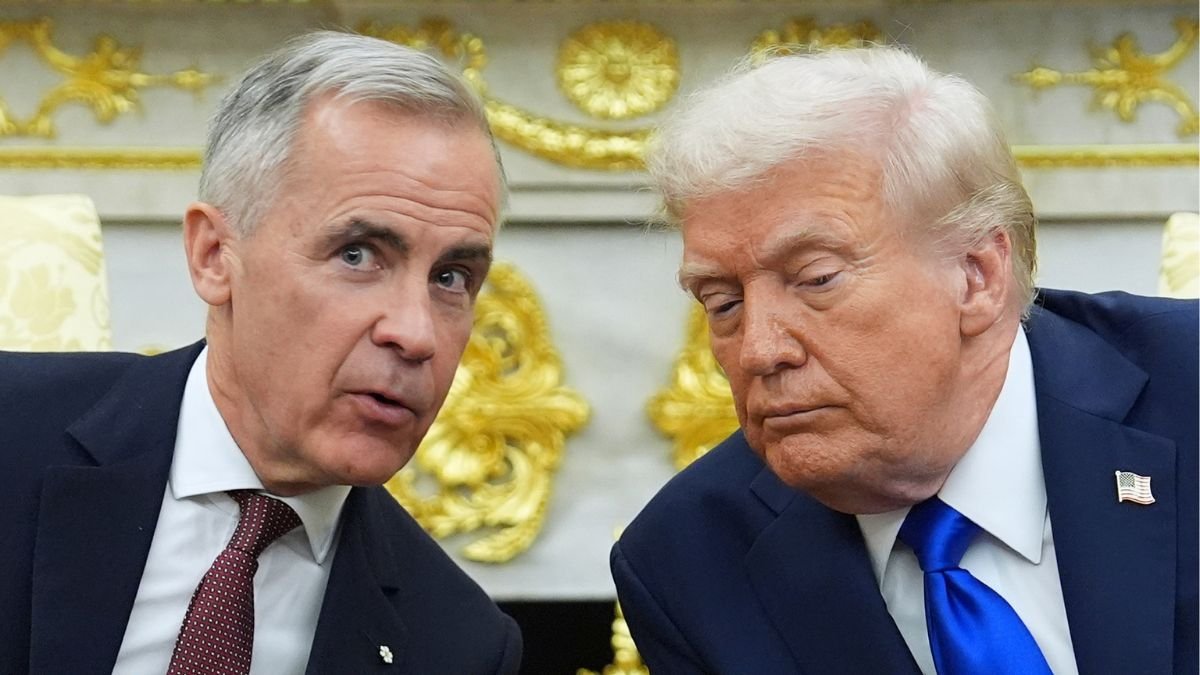
President Donald Trump’s proposal to impose a 50% tariff on a wide range of Canadian products has sparked strong political opposition in Maine.
Republican candidates are distancing themselves from the plan, while Democrats are using the issue to challenge their GOP opponents ahead of the November elections.
Maine Republicans Oppose Proposed Canadian Tariffs
On Tuesday, Maine’s two leading statewide Republican candidates, Senator Susan Collins and gubernatorial nominee Bobby Charles, publicly opposed the proposed tariffs.
Collins said she has repeatedly voted against tariffs on Canadian imports because Maine and Canada have deeply connected economies.
Products such as blueberries, potatoes, lobster and lumber are often harvested in Maine, processed across the Canadian border and then returned to the state.
She argued that imposing additional duties would disrupt these supply chains and increase costs for Maine businesses and consumers.
Vincent Harris, a senior strategist for Charles, said the gubernatorial candidate would travel to Washington after the November election to work with the president on reducing the financial pressure caused by an escalating trade conflict.
Harris added that Charles would prioritize Maine’s interests, even when doing so required opposing national Republican leaders.
Bobby Charles Faces Questions Over Previous Tariff Support
Charles’ current position differs significantly from comments he made last year. During a podcast appearance, he defended Trump’s tariff strategy and said the president’s approach was correct.
Democrats have highlighted this change as evidence that Charles is speaking against tariffs only because the issue has become politically damaging in Maine.
Maine’s Economic Ties With Canada Raise Concerns
Maine shares both a border and a major trading relationship with Canada, leaving the state particularly vulnerable to the effects of new import duties.
The state conducts approximately $20 billion in trade with Canada. Industries including forestry, seafood, agriculture and tourism depend heavily on cross-border movement.
Maine’s blueberry industry could also face serious consequences because products frequently move between Maine and Canada during processing and distribution.
Public opposition to tariffs is already strong in the state. A June New York Times poll found that 59% of likely Maine voters disapproved of tariffs.
The issue could create additional difficulties for Republicans attempting to protect Collins’ vulnerable Senate seat in a competitive state that Trump lost by seven percentage points in 2024.
Affordability Becomes a Major Election Issue
The tariff debate comes as voters remain concerned about the condition of the economy. High fuel prices, persistent inflation and weak consumer confidence have made affordability a central issue in the midterm elections.
Democrats argue that tariffs function as taxes because businesses often pass the additional costs to consumers through higher prices.
Troy Jackson, the presumptive Democratic Senate nominee, said he would vote to end the tariffs and return tariff-setting authority to Congress.
Jackson accused Collins of expressing concern without taking sufficient action, arguing that concern alone would not reduce household expenses.
Tariffs Scheduled to Take Effect on August 19
The proposed 50% tariff is expected to take effect on August 19 and would cover a wide range of Canadian exports.
The announcement comes while the United States and Canada are negotiating changes to the United States-Mexico-Canada Agreement, or USMCA, which Trump signed during his first presidential term.
Unlike earlier rounds of tariffs, Canadian products protected under the USMCA would reportedly no longer receive exemptions.
Maine Democrats Target Republican Opponents
Matt Dunlap, a progressive Democrat seeking to replace retiring Representative Jared Golden in Maine’s Republican-leaning 2nd Congressional District, said targeted tariffs could sometimes be useful. However, he described Trump’s latest proposal as an unwise decision.
Dunlap is running against former Republican Governor Paul LePage, who expressed support for tariffs during a Fox News appearance in May. LePage argued that tariffs could correct international trade imbalances and reduce taxes.
Dunlap said a 50% tariff on Canadian goods would ultimately be paid by working families in Maine through higher prices. He also linked the issue to broader financial pressure facing households amid the war in Iran.
LePage’s spokesperson did not respond to a request for comment.
Hannah Pingree, the Democratic gubernatorial nominee running against Charles, also criticized the tariff proposal. She warned that it could endanger important trading relationships between Maine and Canada.
Pingree accused Charles of opposing tariffs only when politically convenient and said the policy would worsen the existing affordability crisis.
Improving Maine-Canada Relations Face New Setback
Before Trump’s latest announcement, economic relations between Maine and Canada had started to improve despite the broader trade dispute.
Canadian tourists had begun returning to Maine’s beaches, forests and other destinations. Most goods crossed the border without tariffs, while negotiations between the two countries appeared likely to reduce duties on several major Canadian industries.
The proposed 50% tariff quickly reversed that progress.
Trump defended the decision by claiming Canada had treated the United States unfairly for years. Although he expressed affection for Canadians, he argued that Canada depends heavily on the United States for its economic survival.
The White House did not provide an additional response Tuesday evening.
Angus King Warns of Canadian Retaliation
Independent Senator Angus King, who is not seeking reelection and generally avoids commenting on races involving his colleagues, criticized the proposed tariffs.
King described the move as an example of the dangers of a trade war and warned that it could trigger further retaliation from Canada.
He emphasized that Canada is a close American ally and a major trading partner, particularly for border states such as Maine.
Trump’s proposed 50% tariff on Canadian goods has become a major political and economic issue in Maine. The state’s close trade relationship with Canada means businesses, industries and working families could face substantial consequences.
Republicans are attempting to distance themselves from the proposal, while Democrats are using previous Republican support for tariffs to strengthen their campaigns. With affordability expected to influence voters in November, the tariff dispute could play an important role in Maine’s most competitive races.