Law Society of B.C. Settles Dispute With Lawyer Over Residential School Radar Findings
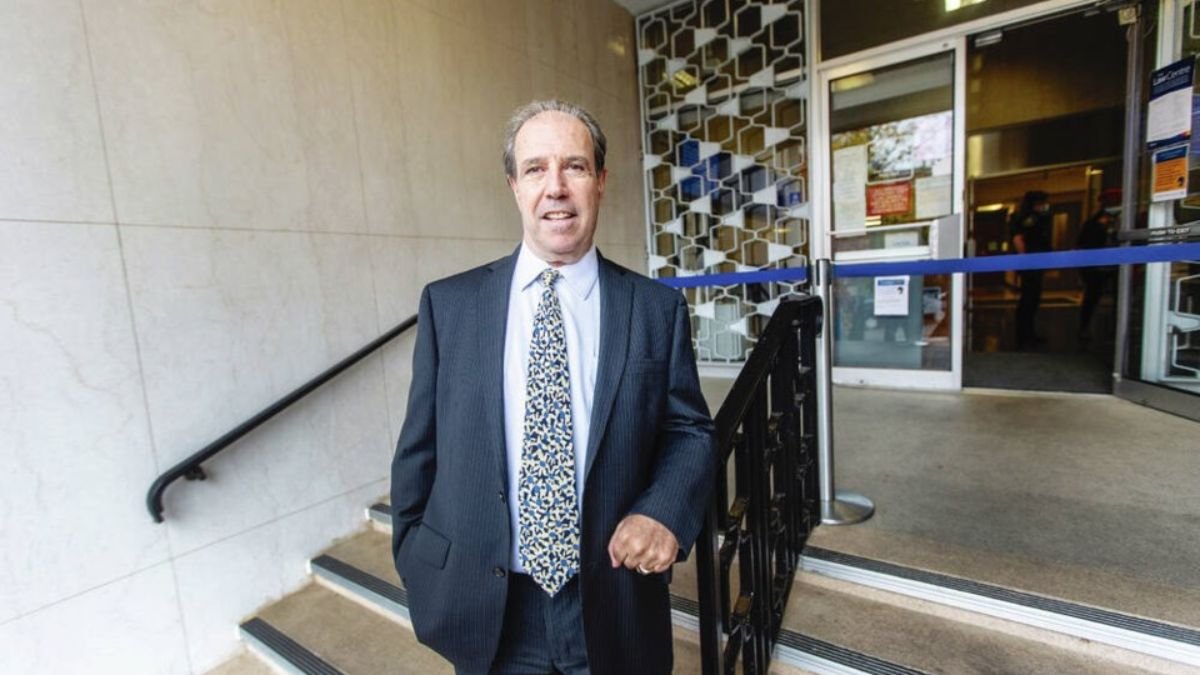
The Law Society of British Columbia has issued a clarification and revised the wording used in its mandatory Indigenous education course following the settlement of a defamation lawsuit filed by criminal defence lawyer James Heller.
Heller argued that the society republished defamatory statements after he proposed changes during the 2024 annual general meeting.
His motion sought to ensure the training materials did not present it as established fact that the remains of 215 children had been discovered at the Kamloops Indian Residential School site.
Background of the Legal Dispute
Before the 2024 meeting, the BC First Nations Justice Council released a statement describing Heller’s proposed resolution as racist and an example of Indigenous genocide denial. The Law Society later included that statement in an online news release.
Heller filed a defamation lawsuit against the society in 2025, arguing that the publication damaged his reputation.
On May 29, the Law Society published a clarification stating that if its previous communication had been understood as defamatory toward Heller, it was not its intention.
The parties later reached a settlement. Heller confirmed the agreement on July 17 but said confidentiality terms prevent him from discussing its details, including whether any compensation was involved. The Law Society also declined further comment.
Indigenous Course Language Updated
Heller welcomed changes made to the mandatory training materials.
The revised wording now states that there are approximately 200 targets of interest at the Kamloops site that are considered probable burials because they display multiple ground-penetrating radar (GPR) characteristics consistent with burial sites.
The updated language replaces previous wording that Heller argued presented unverified findings as confirmed human remains.
Debate Over Ground-Penetrating Radar Findings
Since the Tk’emlúps te Secwépemc Nation announced the radar findings in May 2021, the issue has remained the subject of significant public debate and differing interpretations.
Heller said his objective was to ensure lawyers receive Indigenous education based on verified facts available at the time.
His proposal narrowly failed during the 2024 Law Society vote, with:
- 1,683 members voting against
- 1,499 members voting in favour
- 590 members abstaining
Concerns About Legal Interpretation
Heller also argued that inaccurate course wording could influence legal proceedings.
He referenced a case in which an Indigenous criminal defendant alleged judicial bias after a B.C. Supreme Court judge referred to the Kamloops findings as “potential” unmarked graves during courtroom proceedings.
The allegation was rejected by the British Columbia Court of Appeal. Chief Justice Leonard Marchand ruled that describing the remains as “potential” could not reasonably be interpreted as evidence of bias or intolerance.
Ongoing Discussion Around Residential Schools
Heller has also expressed concern about proposals from some First Nations leaders to criminalize what they describe as “residential school denialism,” saying he opposes such measures and maintains he has not denied the history of residential schools.
The discussion follows the 2015 Truth and Reconciliation Commission report, which concluded that cultural genocide occurred through Canada’s residential school system.
The commission found that more than 3,000 children died while attending residential schools and stated that many are likely buried in school-related cemeteries, recommending continued efforts to identify and commemorate those burial sites.
The settlement between James Heller and the Law Society of B.C. has resulted in both a public clarification and updated educational language regarding the Kamloops residential school site.
While legal proceedings have concluded, discussions surrounding ground-penetrating radar findings, historical interpretation, and Indigenous education continue across Canada.