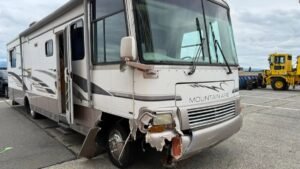
Car ‘Took a Beating’ After Manitoba Highway Buckled in Extreme Heat
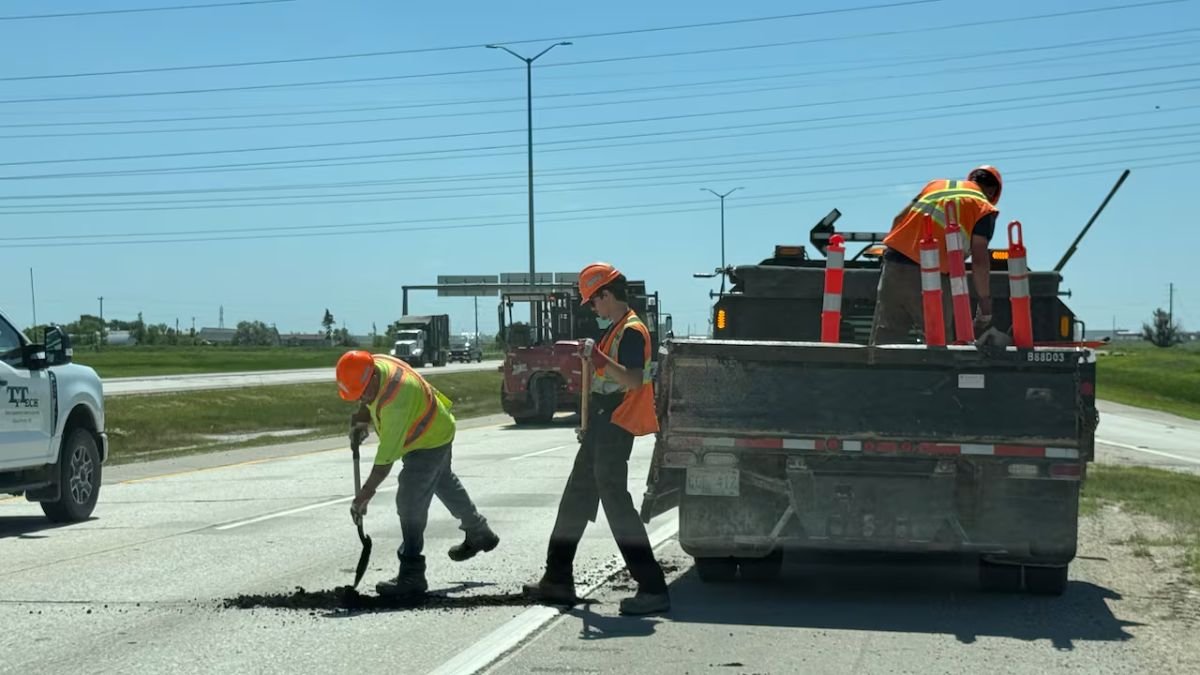
Manitoba’s intense heat wave has caused serious problems on provincial highways and Winnipeg roads, with some surfaces cracking, heaving and buckling under the pressure of extreme temperatures.
A section of the West Perimeter Highway was closed Sunday evening after heat-related pavement damage made the road unsafe for drivers.
West Perimeter Highway Closed After Road Buckles
The affected section of the Perimeter Highway was closed between Saskatchewan Avenue and the Trans-Canada Highway.
Drivers were advised to avoid the area and use alternate routes while crews responded to the damaged pavement.
Reports from motorists described rough road conditions, broken pavement and several vehicles pulled over after driving through the damaged stretch.
Driver Says Mustang Was Damaged by Concrete Debris
Garth Thomson was driving his 2011 Mustang convertible north on the Perimeter, just past Assiniboia Downs near CentrePort Canada Way, shortly after 4 p.m. when the vehicle ahead of him moved and revealed a large hole in the road.
Thomson said he swerved to avoid most of the damage, but still heard a loud impact. When he pulled over, he found other vehicles stopped nearby, many with flat tires.
Gas Leak Prompts Fire Department Call
After noticing gasoline leaking from under his car, Thomson called the fire department.
Fire crews arrived and blocked off the road. Thomson then waited several hours in the heat for a tow truck.
He believes loose pieces of concrete punctured his gas tank and also caused damage that left an oil patch beneath the engine.
Several Manitoba Highways Affected
The West Perimeter was not the only roadway affected by the heat.
Manitoba Transportation and Infrastructure reported heat-related buckling or blowups on several routes, including Highways 7, 8, 30, 59 South and 75, along with the Trans-Canada Highway.
A separate report said a buckled section of Highway 75 near St. Adolphe was also reported and later repaired.
Why Roads Buckle During Extreme Heat
Concrete roads are designed to expand and contract at joint locations.
However, when temperatures rise sharply, concrete can expand beyond the space available at those joints. That pressure can cause slabs to lift, crack or buckle.
Although road buckling is not an everyday occurrence, officials warn it can become dangerous when extreme heat persists.
Closures Since Resolved
A Manitoba government spokesperson said all highway and road closures linked to buckling had since been resolved.
Still, drivers were urged to remain cautious during extreme heat and watch for changing road conditions.
Motorists were also encouraged to check Manitoba 511 for updated highway information and closures.
Winnipeg Roads and Sidewalks Also Damaged
The City of Winnipeg has also been dealing with heat-related road and sidewalk damage.
Public works spokesperson Julie Horbal Dooley said emergency maintenance crews were struggling to keep up with demand as reports continued coming in.
The city does not formally track every case of road buckling or heaving, but crews respond quickly to barricade unsafe areas when they are reported.
City Says Road Buckling Can Be Dangerous
Michelle Stainton, a project management engineer with Winnipeg’s public works department, said concrete expands in hot weather.
She explained that road buckling is rare, but it can be sudden and hazardous when it happens.
Because of the risk, the city treats buckling as an emergency repair and aims to fix affected areas within a few days.
Concrete More Vulnerable Than Asphalt
Concrete roads and sidewalks are generally more prone to heat-related buckling than asphalt surfaces.
With heat waves becoming more intense and lasting longer, Winnipeg officials say they are paying close attention to how extreme temperatures affect infrastructure and public safety.
Stainton said the issue is not new, but the city is watching it closely.
Auto Shops See More Heat-Related Repairs
Extreme heat is also affecting vehicles.
At West Kildonan Auto Service, at least 10 vehicles have needed cooling system repairs since the heat wave began.
Owner Richard Porco said the shop would normally see only a few such repairs over several days, but the hot weather has increased demand.
Drivers Warned About Overheating
Porco said drivers can quickly become stranded if a cooling system fails during extreme temperatures.
With outside temperatures reaching the high 30s, the inside of a vehicle can become dangerously hot.
He advised drivers to check coolant levels, keep radiators free of debris and make sure tires are properly inflated.
CAA Manitoba Reports More Roadside Calls
CAA Manitoba said it has seen about a 10 per cent increase in calls during the latest heat wave.
Most calls were related to batteries, breakdowns and tire problems.
By Monday afternoon, CAA’s roadside assistance service had responded to at least 892 calls across Manitoba, according to communications director Kaitlynn Furse.
Tire Pressure and Emergency Kits Important
Furse said tire pressure rises in hot weather, just as it drops during cold weather, making regular tire checks important.
CAA Manitoba recommends keeping emergency supplies in the vehicle, including drinking water, snacks, a cellphone charger, booster cables, a tire pressure gauge, warning triangles or reflectors, coolant and a first aid kit.
Drivers are also encouraged to keep their phones charged and maintain at least half a tank of gas in case unexpected delays or breakdowns occur.
Manitoba’s extreme heat has created problems for both roads and vehicles, with highway buckling, city sidewalk damage, tire issues, cooling system failures and increased roadside assistance calls.
While officials say the affected highway closures have been resolved, drivers should remain cautious, check road updates, inspect their vehicles and carry emergency supplies during prolonged heat events.
The damage shows how extreme temperatures can place serious pressure on public infrastructure and driver safety.